
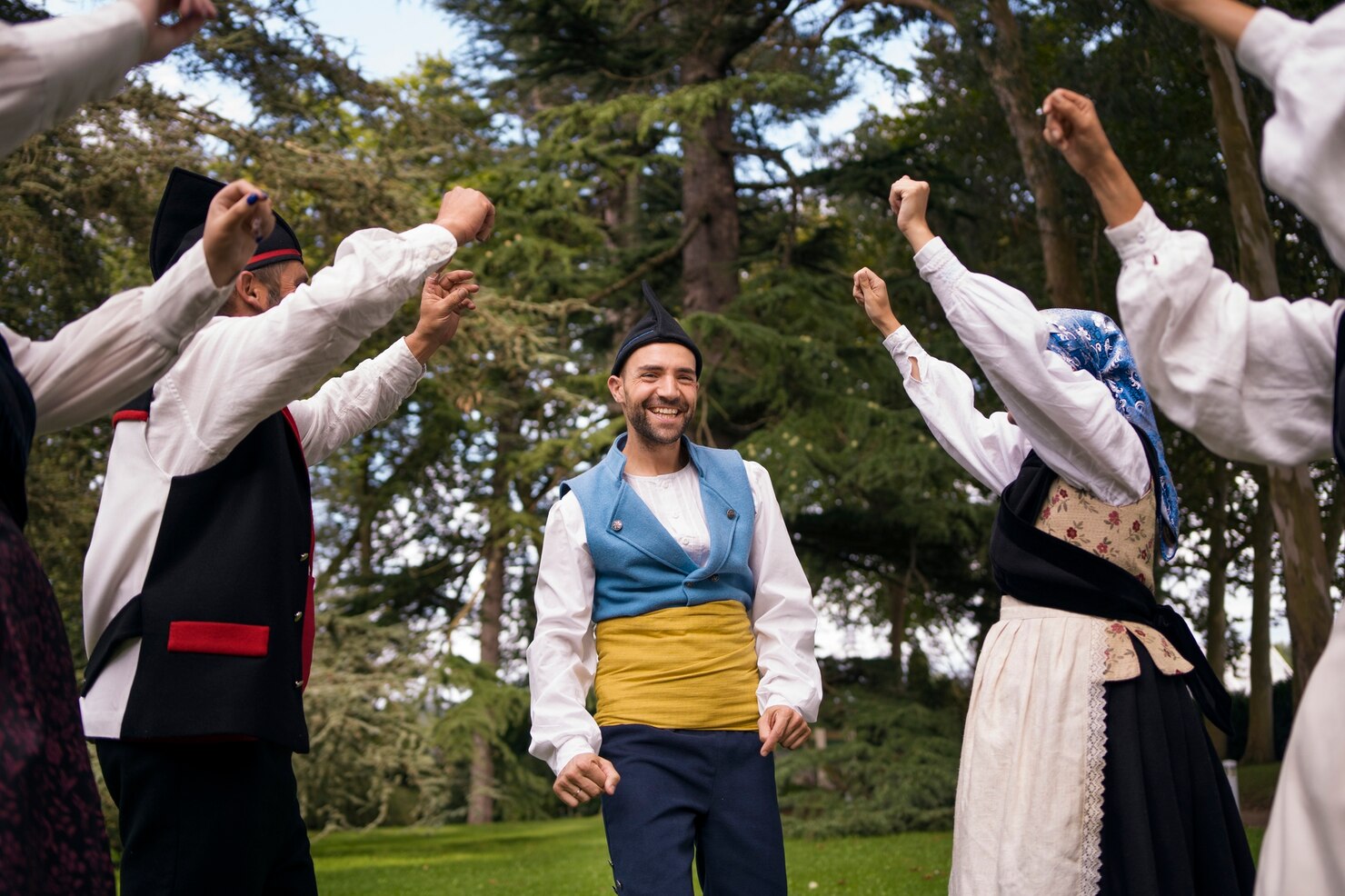
A classic Jewish song and a modern dance hit can own the same dance floor, and the right DJ makes that happen without anyone noticing the switch. Jewish weddings often carry generations of tradition, yet the couples planning them still want the energy of a packed, late night dance floor.
That balance creates some tension once the music planning starts. A grandmother may ask for the Jewish song she danced to at her own wedding, while close friends push for whatever is trending right now. Meanwhile, the couple may lean toward EDM, house, or pop.
Fortunately, those different tastes don’t have to compete for the dance floor. A skilled open format Jewish wedding DJ brings those different tastes together through song selection, timing, transitions, and constant awareness of the crowd.
Why Music Is So Important at a Jewish Wedding
Music carries the emotional weight of the celebration because it connects older relatives to younger guests through songs both groups know. That recognition turns a room of separate families into one crowd.
Those familiar songs can also carry Jewish tradition into the celebration, as melodies from past family simchas return in a new setting. Once the dancing starts, everyone shares the same moment, regardless of age or taste.
What Counts as Traditional Jewish Wedding Music?
Traditional Jewish wedding music covers the songs (and style) families have danced to for generations. Here are the 4 main types:
- Hora and circle dance songs get the whole room dancing.
- Klezmer influences add a clarinet led Eastern European sound.
- Israeli and Hebrew music spans older standards and current releases.
- Regional and family specific traditions can include Sephardic, Chabad, and henna music selections.
How Professional DJs Build a Musical Bridge Between Tradition and Modern Music
Professional DJs plan transitions in advance, then mix them live instead of stopping one genre before starting another. That keeps the dancing from stopping suddenly. Here are the 4 steps:
- They start with the music the couple wants to hear.
- They look for matches in tempo, key, and rhythm.
- They blend transitions instead of switching between genres.
- They read the crowd live and adjust the next track.
How DJs Balance Different Generations on One Dance Floor
DJs balance generations by rotating familiar and current material, so no group waits long for a song it recognizes. Here are 3 ways that keep the floor full:
- They keep older guests engaged with songs they grew up singing.
- They give younger guests current releases/songs later in the night.
- They favor crossover remixes that every table recognizes.
The Hora Can Become a Major Energy Moment
The Hora becomes the highest energy point at most Jewish weddings because it pulls almost every guest onto the floor. Here are the 4 moments a DJ shapes:
- They build anticipation with a slow musical lift.
- They playfully call hesitant guests onto the floor.
- They hold the circle so families dance together.
- They push that momentum into modern dance music.
How Music Flow Shapes the Jewish Wedding Reception
Music flow controls how the reception feels from hour to hour because each stage asks for a different volume, tempo, and mood. A DJ who plans that arc keeps conversation easy early on and the floor full later. Here is how the 5 stages usually break down:
- Cocktail hour: Lounge and light Israeli tracks stay low enough for guests to talk without raising their voices.
- Dinner: Softer covers and instrumental versions create a relaxed mood while guests eat and talk.
- Formalities: Entrances, speeches, and blessings each get their own musical cue and clear audio.
- Dancing: The Hora opens the floor, then modern hits keep it packed for hours.
- Late-night celebration: Harder remixes and party edits keep the energy going for guests who stay to the end.
How DJs Personalize Jewish Wedding Music
DJs personalize the music by learning what matters to the couple well before the wedding. Here are 6 things that shape the final set:
- The couple’s favorite artists help set the musical direction.
- Family favorites come from parents and grandparents.
- Cultural background helps determine which traditional music gets played.
- The guest mix affects how much current music makes the set.
- Must play and do not play lists make the couple’s preferences clear.
- They choose special songs for moments like the first dance.
What the Best Jewish Wedding DJs Understand About Music
The best Jewish wedding DJs treat music as one part of a larger job because running a reception takes as much attention to people as to songs. Here are the 9 areas where that matters:
- Cultural awareness: They know which traditions each family follows.
- Musical range: They pull from Jewish, Israeli, and current music.
- Open-format skills: They move between genres without losing the room.
- Crowd reading: They watch the floor and adjust before the energy drops.
- Live mixing: They match tempo and key so transitions stay smooth.
- Event pacing: They shape the energy throughout the night.
- Personalization: They build every set around one couple, not a template.
- Communication: They coordinate with planners, photographers, and venue staff.
- Professionalism: They arrive early, test everything, and handle problems smoothly.
Hire Levyticus, a DJ With Traditional Jewish Wedding & Modern Dance Music Experience!
Blending tradition with modern music comes down to preparation, timing, and a DJ who reads the room while mixing live. Levyticus works exactly that way at Jewish weddings across New York City, moving between Hora sets, Israeli classics, and original dance edits without losing momentum.
Every booking starts with a planning conversation, so the Hora, the dinner covers, and the late night set match what the couple actually wants. Beyond the DJ setup, we offer live musicians, uplighting, and stage effects as add-ons.
Book Levyticus and bring tradition to the dance floor.
Frequently Asked Questions (FAQs)
Q1. What traditional songs are typically played at a Jewish wedding?
Hora and circle dance songs are common, along with klezmer and Hebrew songs. Many families also ask for songs from their Sephardic or Chabad traditions.
Q2. How do you mix Jewish music with modern wedding songs?
Match the tempo and key, then blend the songs together instead of stopping between genres. This keeps the music flowing as one set.
Q3. How do you choose music that keeps different generations dancing?
Mix older favorites with current hits so everyone gets something they know. Familiar remixes keep both age groups on the dance floor.
Q4. How long should the Hora run before modern music takes over?
A Hora lasts ten to twenty minutes. A DJ can let it run longer while guests are still dancing, then move into modern hits.


