
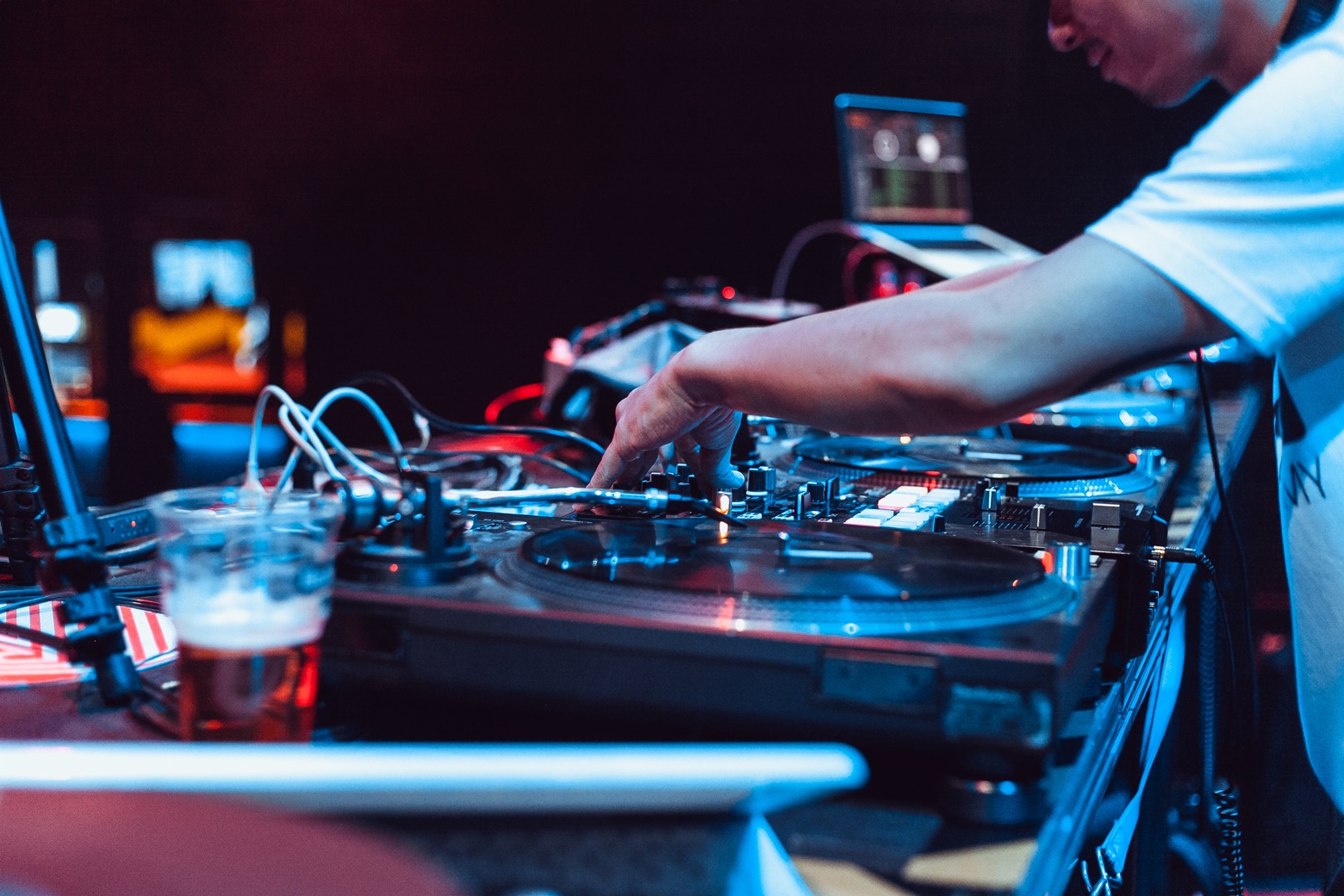
What separates an unforgettable event from one where guests leave early? More often than not, it comes down to the energy in the room. A packed dance floor, excited guests, and a lively atmosphere don’t happen by accident, they’re the result of carefully planned music flow.
Managing the music flow is a crucial part of events and the best DJs master it. Many people think the job of a DJ is only to play songs, however, that is not true. They do more than just create playlists. They are experts in reading the crowd, responding to the guests’ reactions accordingly and of course, managing the energy strategically – all of the things that keep guests on their toes.
Through effective music & event optimization experience, DJs use the best songs at the right moments to create a beautiful experience that keeps guests entertained – from the first dance to the final song.
Why Guest Engagement Depends on Music Flow
Guest engagement is one of the most important things to make your event successful. If an event lacks that, it can easily become boring. Not to forget, guest engagement is directly connected to how music is played throughout an event. If the energy rises too quickly, guests may burn out even before the event finishes and if it stays flat for too long, people lose interest and start leaving early. Hence, the DJ should maintain the vibe by creating a natural progression that keeps guests emotionally connected to the event.
A DJ understands the assignment, they know exactly when the crowd needs moments of excitement, anticipation, and recovery. So instead of playing high-energy songs back-to-back or in the beginning for hours, they carefully balance different musical moments to maintain enthusiasm. This encourages guests to stay involved, participate in activities, and spend more time on the dance floor throughout the event.
How a Professional DJ Builds Energy throughout an Event
Professional DJs don’t start an event with the biggest hits of the night. They don’t gain momentum all at once. Instead, they use lighter background music during cocktail hour or guest arrival that allows people to mingle comfortably. As the event progresses, they play more recognizable songs and upbeat rhythms to increase the excitement.
As the music begins to play, the DJs look at the crowd and respond accordingly. If the crowd is really feeling a certain genre – for example, the DJ could play that for a while then switch to another. By using their experience, DJs create smooth, natural-feeling, engaging transitions through careful planning and live crowd analysis.
How Music Flow Changes Throughout Different Types of Events
Every event is unique in its own way and the music flow needs to be customized according to the audience present, keeping in mind the goals and atmosphere. However, it is crucial to understand that one strategy that works for a wedding may not be as effective for a corporate event. Thus, many professional DJs like Levyticus adapt their style to the particular type of celebration.
1. Jewish Weddings
Jewish weddings require a carefully structured music journey that reflects multiple emotional moments throughout the day.
Music flow typically includes:
- Soft and elegant music during the ceremony.
- Soothing background music during cocktail hour.
- Upbeat but approachable songs during dinner.
- High-energy dance music after formalities conclude.
- Crowd favorites and sing-alongs toward the end of the night.
Weddings are fun and include guests from different generations. This makes it essential for DJs to balance the right classic hits, chart-toppers and family-friendly selections.
2. Bar and Bat Mitzvahs
Mitzvah celebrations often have a younger audience – usually Jewish men who have turned 13 and women who have turned 12. The celebration includes family members and relatives – creating a unique musical challenge.
An effective mitzvah music flow may include:
- Interactive entrance music for excitement.
- Trending hits for younger guests.
- Dance games and participation segments.
- Family-friendly throwbacks for adults.
- High-energy party tracks during peak dancing hours.
The DJ aims to keep both kids and adults entertained without losing momentum.
3. Corporate Events
Corporate events often focus on networking, team building, and celebration, requiring a more controlled music approach and through musical experiences it becomes easier.
A successful corporate event flow often includes:
- Professional background music during networking.
- Upbeat tracks during awards or presentations.
- Energetic music for post-program entertainment.
- Appealing songs that suit diverse audiences.
To manage the excitement factor till the very end, DJs are required to carefully read the room while maintaining professionalism.
4. Private Parties
When it comes to music flow, private parties or celebrations offer greater flexibility and personalization when compared to the rest.
Typical private party strategies include:
- Customized playlists based on guest preferences.
- Genre-specific segments if requested.
- Nostalgic hits that resonate with attendees.
- Gradual energy increases throughout the evening.
- Peak dance-floor moments tailored to the crowd.
DJs often rely heavily on live crowd feedback to guide song choices since there are people from different backgrounds and cultures.
How NYC and Miami Event Culture Influence Music Flow
Different cities have distinct event cultures, and experienced DJs understand how local audiences respond to music. On one hand NYC’s fast-paced, diverse entertainment scene encourages innovation, blending hip-hop, jazz, electronic, and global sounds into unique musical experiences.
While on the other hand, Miami’s energetic nightlife, beach festivals, and Latin influences create a rhythmic atmosphere that drives dance, electronic, and multicultural music trends. Together, these cities serve as influential hubs where artists, DJs, and audiences. So, event expectations in New York City and Miami can influence how a DJ structures the evening’s musical progression.
- Diverse Audiences: Different cultural backgrounds encourage artists to experiment with various musical styles.
- Live Events and Festivals: Frequent concerts and festivals provide platforms for emerging and established musicians.
- Nightlife Influence: Clubs and entertainment venues help popularize new sounds and music trends.
- Cultural Fusion: Local and international influences blend together, creating fresh and innovative music experiences.
- Artist Networking: Events connect performers, producers, and promoters, leading to collaborations and creative growth.
- Trend Setting: Music introduced in NYC and Miami often influences broader industry trends and audience preferences.
The understanding of the above local preferences allows DJs to create authentic experiences for the audience – while maintaining strong music flow throughout the event.
Keep Your Guests Engaged with a Professional DJ & Music Flow!
The goal of any event is always to create unforgettable memories and this is only possible with great taste in music. Thus, it becomes clear that a DJ plays a crucial role in making any event a hit. From knowing when and how to play to keeping the crowd on their feet – a professional DJ uses music and event experience optimization strategies to guide emotions and maintain them from start to finish.
This shows why hiring an experienced DJ like Levyticus is like investing in a gamble. Therefore, it is recommended to invest in someone who can read the crowd, adapt in real time, and create a seamless entertainment experience that keeps guests talking long after the event ends.
Why Professional Music Flow Matters:
- Keeps guests engaged throughout the entire event.
- Creates smooth transitions between different event segments.
- Encourages higher participation on the dance floor.
- Excites multiple age groups and musical preferences.
- Helps maintain the perfect energy level from beginning to end.
So, if you have a wedding, mitzvah, corporate gathering, or private celebration coming up in the next few days or months – hiring a professional DJ makes all the difference.
Contact us now to transform your ordinary event into an unforgettable experience that keeps guests entertained all night long.
Frequently Asked Questions (FAQs)
Q1. How do DJs keep guests engaged during an event?
DJs are well experienced in how they keep their guests engaged. They are experts in reading the crowd and making adjustments accordingly to match their vibe. But only professionals have that skill. They can take an event from a slow paced one to an energetic one just by the choice of songs. They simply do it by balancing different genres, tempos, and musical moments to maintain excitement and participation.
Q2. How do DJs keep dance floors full?
They play songs that resonate with the audience, smoothly mix tracks, and build energy throughout the event to keep the dance floors packed. DJs focus on guest reactions and change their music choices according to the strongest reaction.
Q3. Does music flow matter for weddings and mitzvahs?
Yes. Music flow matters the most for weddings and mitzvahs because these events include guests of different ages and interests. This requires a well-planned music journey to help keep everyone engaged – including family members, friends, and dedicated dancers.
Q4. What makes a professional DJ different from a playlist?
A playlist cannot read the room or react to shifting crowd dynamics. A professional DJ can make decisions in real time based on guest reactions, event timing, and energy levels. They create smooth transitions – by adjusting the atmosphere as needed and ensuring the event feels exciting throughout the celebration.


